
AR in Live Sport: What it is, why sponsors want it, and why it has to work the first time.
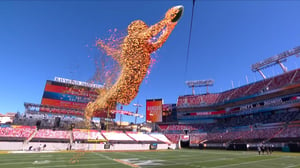
Augmented reality (AR) puts computer-generated graphics into a live camera shot so they look like part of the real scene. A starting lineup stands on the pitch. A trophy lands on the 50-yard line. A sponsor's logo sits above the center circle and stays exactly where it is as the camera pans, tilts, and zooms.
Broadcasters can own the stadium, build out more real estate for editorial moments and data, and, increasingly, sponsorship opportunities.
Accurate camera tracking — either sensor-based or through-the-lens — is important so the AR graphic stays locked to the image.
Why sports broadcasters use AR
Much of what makes sport interesting is invisible on a normal camera: formations, distances, speeds, form, and the history behind a fixture. Cutting to full-frame graphics pulls the viewer away from the action and can lose attention. AR virtual elements appear in the field of play, inside the shot the director is already using, so the visuals and commentary tell the same story. It also lets a broadcaster give the same event a different look.
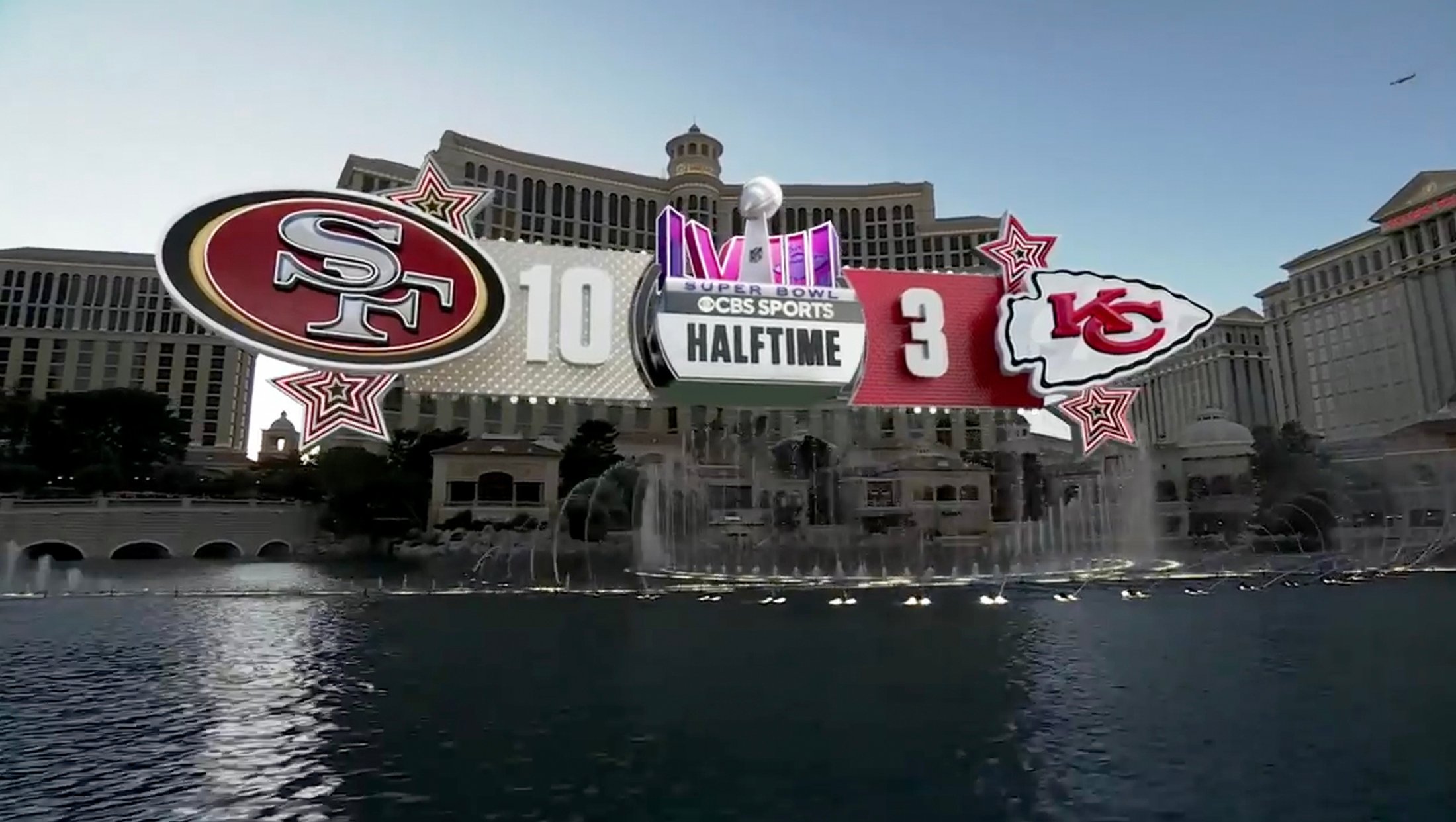
For Super Bowl LVIII, CBS Sports placed AR elements above the Bellagio fountains for its studio shows, while Nickelodeon ran a simulcast of the game set in SpongeBob's Bikini Bottom, with over three hours of live AR aimed at a younger audience. Same game, two broadcasts, each built for its own viewers. This meant multiple sponsor activities across channels, each targeting a different demographic.
Courtesy of Nickelodeon / Silver Spoon Animation
Why sponsors care
Stadium inventory is fixed. There are only so many boards, and the camera catches them when it happens to. AR adds inventory inside the broadcast itself: branded graphics placed in the scene and tied to key moments people watch for, such as the lineup reveal, the stat after a big play, or the trophy presentation.
That gives rights holders and broadcasters something new to sell. For example, Pixotope Zone lets commercial broadcasters place sponsorship graphics as part of the on-screen action and supports virtual advertising. Simulcasts with virtual graphics offer an alternate viewing experience that could open new ad and sponsorship revenue without compromising the game.
How does Pixotope Core deliver AR in Sports?
Pixotope Core is a complete production platform for virtual studio and AR work. It includes live broadcast video, chroma keying, the full operational layer, Artist design seats, and camera tracking. Rendering runs on a broadcast-hardened version of Unreal Engine, and Core connects to existing graphics and tracking systems through a protocol library that includes OpenTrackIO, an open API, and a free SDK.
Two tracking tools included in Core matter most for sport.
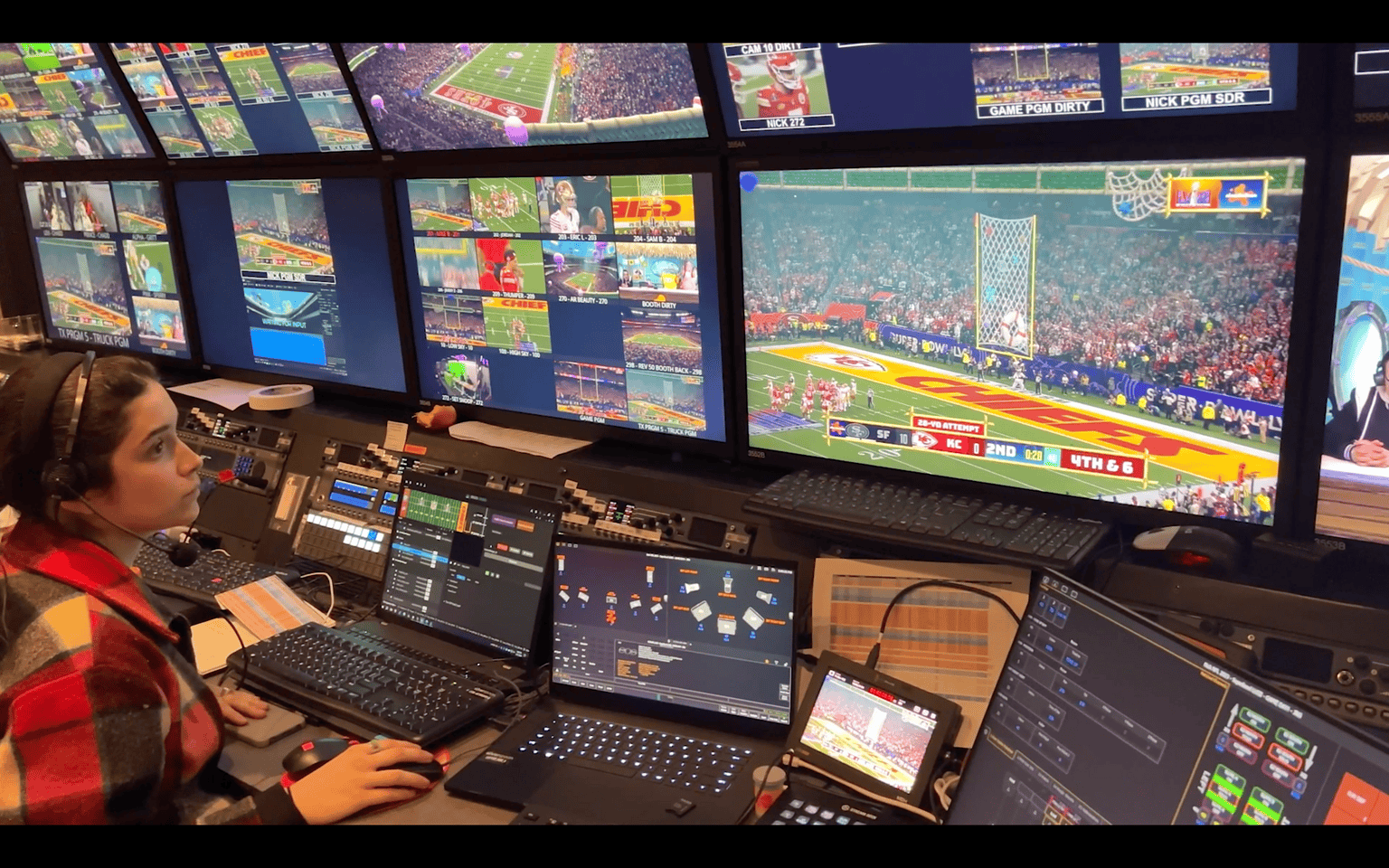
Pixotope Fly tracks drones, cable cams, rail cams, handheld cameras, and Steadicams through the lens. It uses computer vision to find natural anchor points in the shots, so operators don't need to place markers or rig sensor cameras. Weather, light, or crowds can hide markers; Fly keeps updating its reference points as the scene changes and builds a point cloud. It also supports some level of zooming (dependent on environment), so operators can tighten a shot without moving the camera.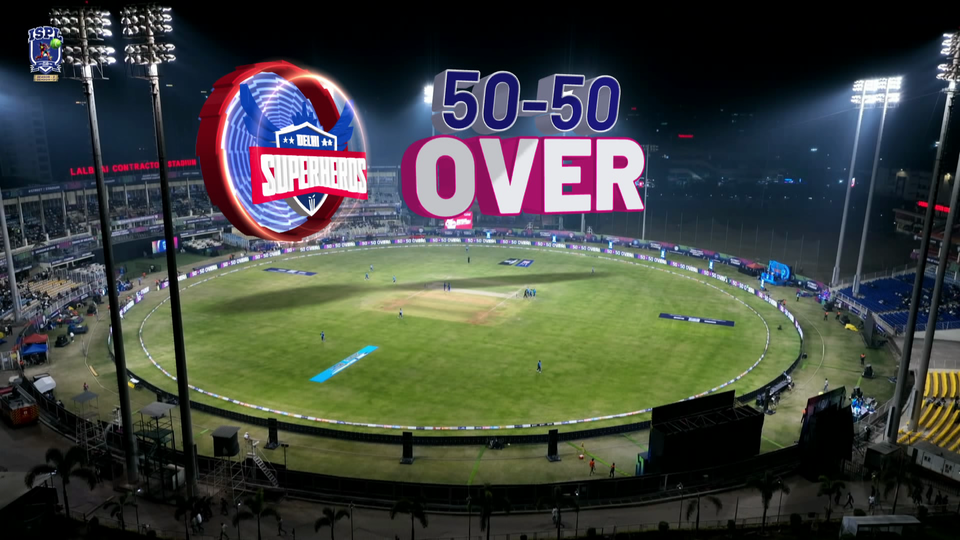
Pixotope Zone turns ordinary broadcast cameras into tracked cameras using only their video feed. Like Fly, it uses natural anchor points but figures out where the fixed-position camera is as it pans, tilts, and zooms. Setup takes under 10 minutes per camera, compared with several hours for encoder-based systems, plus wihtout the venue prep for marker-based ones. Zone needs no encoders, markers, or sensor units; it works with any professional ENG, studio, or PTZ camera and existing lenses, and it runs from a truck, a control room, or a remote production facility. One operator can cover multiple cameras and multiple games. TNT Sports used it during the Dodgers–Phillies MLB National League playoffs to place precise AR graphics on cameras without tracking sensors. Pixotope Zone is also the first of our tracking products to run on Windows. This means you have more flexibility, you can move that machine from Graphics to Tracking when you need to and back.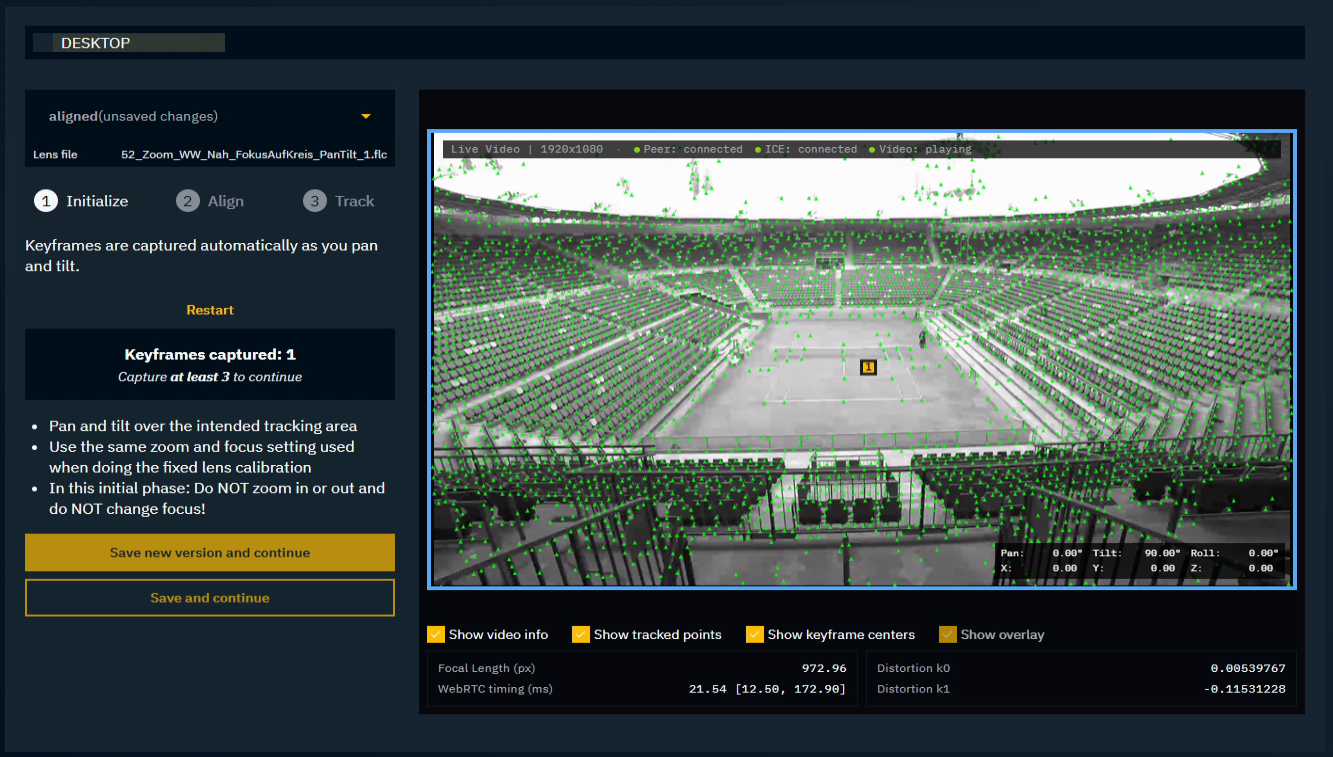
This changes the economics. When every tracked camera needed its own hardware and a specialist to run it, AR stayed on a handful of hero cameras at the biggest events. With Zone, broadcasters can add AR, and the sponsor inventory that comes with it, to more cameras and more games. Fly and Zone can even be run remotely from base using the REMI production model, TNT Sports regularly do REMI productions using Fly and Zone.
The Super Bowl and much more.
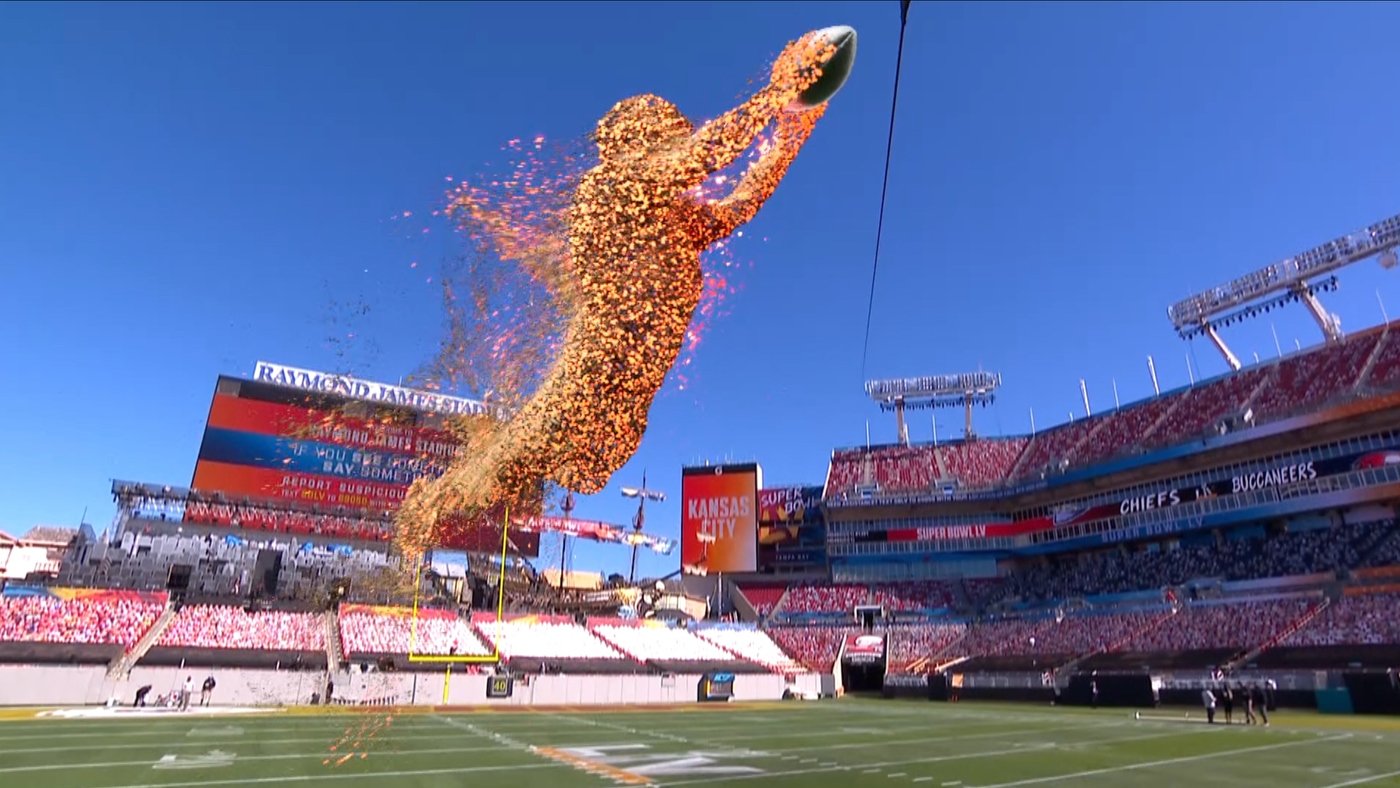
Pixotope has delivered virtual graphics at the last 7 Super Bowls. Massive broadcast events that needed the Pixotope platform's reliability and power. Pixotope has powered AR, Virtual sets, XR, and tracking at the Olympic Games, Roland-Garros, the TATA IPL 2024, MLB playoffs, and even Eurovision.
But Pixotope is more than an event platform; we also power broadcasters' home studios, with BBC, Fox Sports, TNT Sports, ESPN, and many more choosing our platform to do virtual with confidence.
If you're planning virtual graphics for your next season or looking for sponsor inventory that lives inside the broadcast, book a chat to discuss how you can use Core, Fly, and Zone on your own cameras.
COMMENTS